











International attention has been focused on global environmental issues for over four decades since the 1972 Stockholm Conference on the Human Environment. Yet, climate change, habitat loss and anthropogenic pressures continue to threaten in situ biodiversity conservation and loss of traditional knowledge around the world. Pushing to achieve the Sustainable Development Goals (SDGs) requires deeper transitions to less environmentally degrading, more resource-efficient, climate resilient for of development that reduce inequalities and bring multiple social, economic and environmental benefits for people over the medium and longer-term.
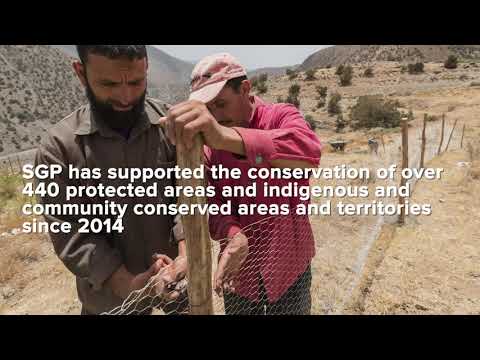
With the adoption of the Convention of Biological Diversity (CBD) Aichi 2020 framework in 2010, biodiversity management strategies are increasingly recognizing and building upon the vital role of local communities and indigenous peoples in conserving biodiversity outside of the framework of formal government-recognized Protected Areas (PAs). The Global Support Initiative for Indigenous peoples and Community Conserved Areas (ICCA-GSI) aims to broaden the range and quality of diverse governance types in recognizing ICCAs and achieve the Aichi 2020 targets.
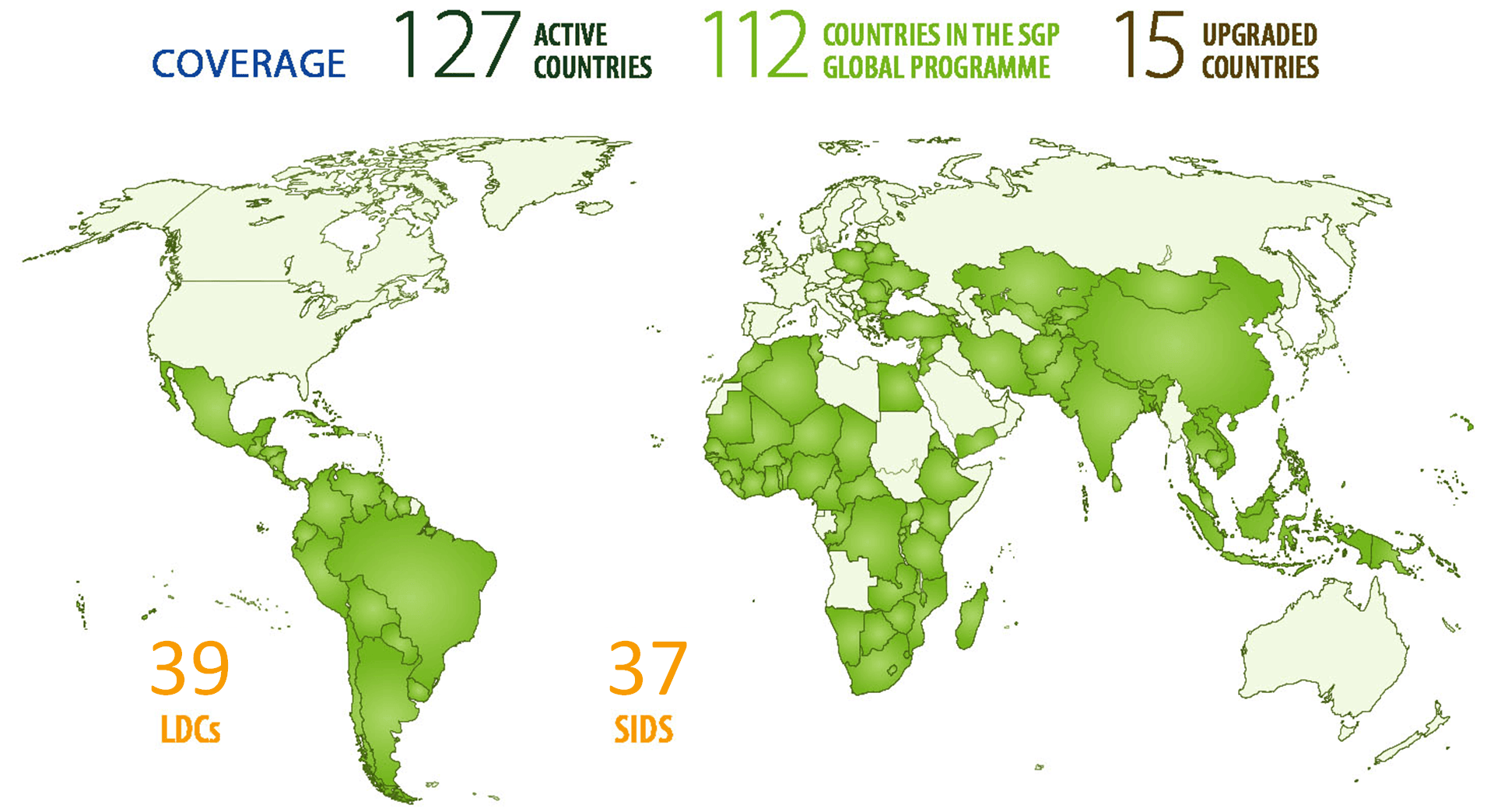
ICCA-GSI is a multi-partnership initiative (2014 -2019) that is delivered by the UNDP-implemented Small Grants Programme (SGP) and funded by the Government of Germany, through its Federal Ministry for the Environment, Nature Conservation, Building and Nuclear Safety (BMUB). Key partners include the United Nations Environment Programme’s World Conservation Monitoring Centre (UNEP WCMC), the International Union for the Conservation of Nature’s Global Programme on Protected Areas (IUCN GPAP), the ICCA Consortium and the Secretariat of the Convention of Biological Diversity (CBD).
ICCA-GSI’s objective is to improve the recognition and overall effectiveness for biodiversity conservation, sustainable livelihoods and resilience to climate change effects of territories/areas conserved by indigenous peoples and local communities. It will be implemented in 26 countries including Argentina, Belize, Benin, Brazil, Colombia, Ecuador, Georgia, Guatemala, Indonesia, Iran, Jordan, Kenya, Kyrgyzstan, Madagascar, Malaysia, Maldives, Morocco, Namibia, Paraguay, Peru, Philippines, Senegal, Suriname, Tanzania, Viet Nam and Zambia.
The initiative will create a framework for systemic change, which can be used to strengthen the national enabling environments in these key target countries to support appropriate recognition and protection of ICCAs. Through the enhanced capacities of all engaged partners, the 26 countries will be supported in achieving CBD Aichi 2020 Targets relating to protected areas (Target 11), ecosystem services (Target 14), and the protection of traditional knowledge (Target 18).
ICCA-GSI has three distinct components, referred to as “Work Packages”:
Work Package 1: Direct support provided to community-based action and demonstration through capacity-building on sound ICCA stewardship for the purposes of ecosystem protection, sustainable livelihoods and poverty reduction.
Work Package 2: Legal, Policy and other forms of support for ICCA recognition and conservation (including governance assessments of protected areas and landscapes).
Work Package 3: Networking, knowledge production and exchange between national CSO initiatives at regional and global levels.