


In the heart of Tanzania’s Dodoma Region lies the Kolo Hills ecosystem, a breathtaking blend of rugged escarpments, savanna vegetation, and ancient history. This wild terrain, forming part of the Eastern Rift Valley escarpment, is home to vital catchment forests like Isabe, Salanka, and Kome, which sustain water flows to communities and wildlife downstream, including the iconic Tarangire National Park. Beyond its ecological significance, Kolo Hills is a part of an extensive Kondoa Rock Art site, a UNESCO World Heritage Site, famed for ancient rock paintings that trace human history back over 40,000 years. These artworks tell stories of hunter-gatherers, pastoralists, and agriculturalists, reflecting the deep cultural roots intertwined with the land.
But this unique landscape faces mounting challenges including erratic rainfall, prolonged droughts, and soil erosion. Overgrazing, shifting cultivation, and uncontrolled bushfires have accelerated land degradation, while poverty and limited access to energy compound social vulnerabilities. The result? A landscape struggling to maintain its resilience, and communities facing food insecurity and dwindling resources.
Recognizing these urgent threats, the COMDEKS Phase 4 Landscape Strategy for Tanzania sets out a bold vision to restore ecological integrity while empowering local communities to thrive. The strategy builds on a participatory approach, engaging villagers, local authorities, and civil society in diagnosing challenges and co-designing solutions. Using the Resilience Indicator Toolkit, communities assessed their landscape’s health and identified priorities for action, ranging from biodiversity conservation to livelihood diversification.
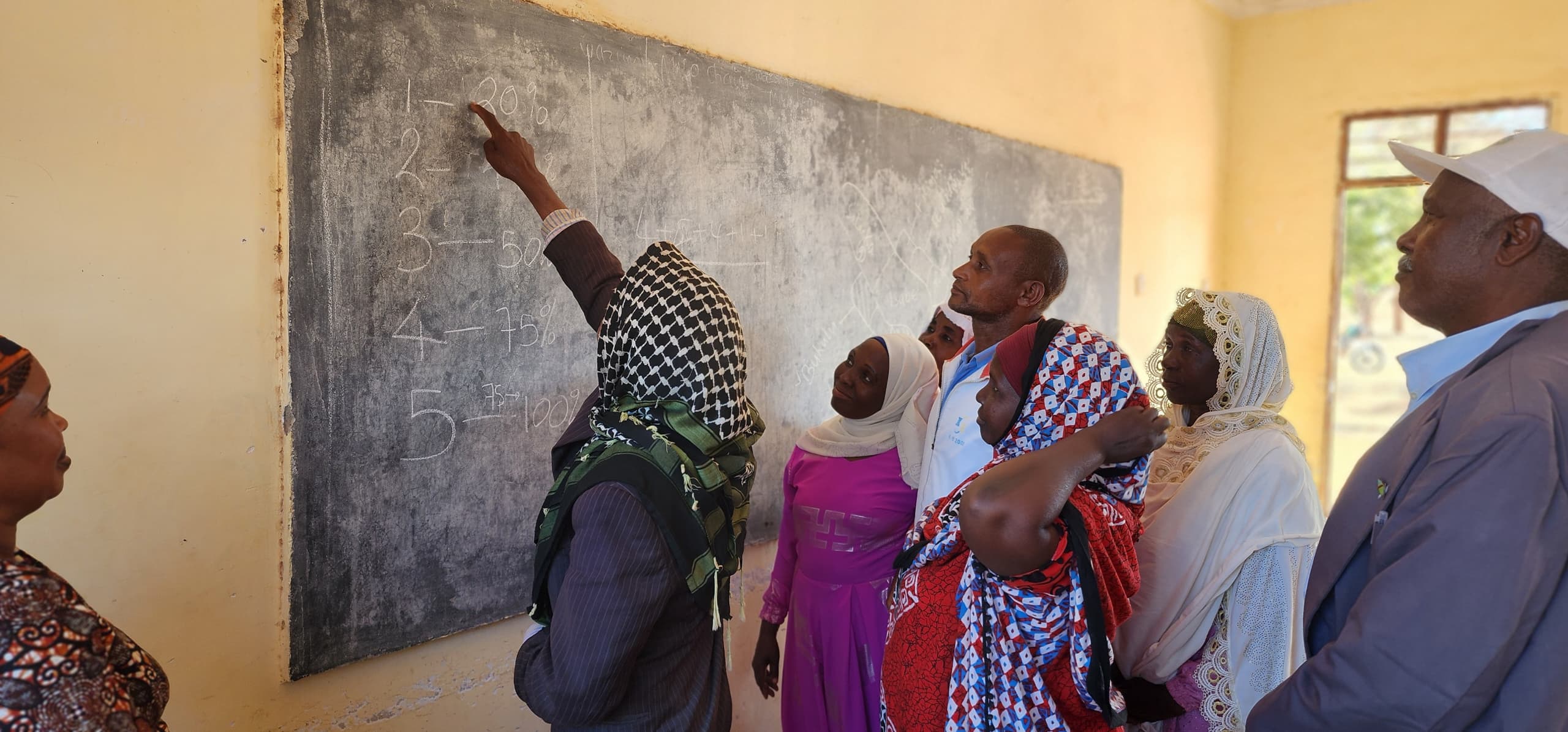
Resilience indicator and COMDEKS strategy development workshop.
At its core, the strategy promotes nature-based solutions and traditional knowledge, blending local innovation with heritage. Community-led projects are focusing on restoring ecosystems, reviving agroecological practices, developing sustainable livelihoods and strengthening governance and equity, ensuring land tenure security and inclusive decision-making.
“The Kolo Hills strategy is not just about conserving biodiversity, it’s about safeguarding culture, improving livelihoods, and building resilience against climate change. By working hand-in-hand with local communities, we are creating a model for sustainable development that others can learn from,” says Faustine Ninga, SGP National Coordinator in Tanzania.
In January 2026, seven new projects were aproved focusing on improved dairy and pasture managment, small scale irrigation and reforestation, apiculture and strengthing the local honey value chain, clean cooking using biogas, climate reslient agriculture and improving ground water security. These interventions aim to deliver tangible benefits- healthier forests and soils, improved water security, diversified incomes, and stronger social cohesion. By aligning with Tanzania’s National Biodiversity Strategy and the Kunming-Montreal Global Biodiversity Framework, COMDEKS is not just protecting a landscape, it’s contributing to global goals for nature conservation and climate resilience.
Ultimately, the Kolo Hills landscape strategy is a story of hope and collaboration. It reminds us that landscapes are more than physical spaces, they are reservoirs of interconnected life, culture, and identity. “We remain committed to supporting our communities and partners on implementing the COMDEKS strategy over the coming year. By investing in landscape resilience, we invest in the future of our communities and the planet,” emphasizes Faustine Ninga, SGP National Coordinator.
About COMDEKS
Launched in 2011 as a flagship programme of the Satoyama Initiative, COMDEKS is a global effort to promote the sustainable use of natural resources in landscapes and seascapes with local communities whose livelihoods and cultural heritage depend on them. It provides small-scale finance through the GEF Small Grants Programme (GEF SGP) directly to local communities and civil society to implement projects that improve livelihoods and well-being, conserve biodiversity, address climate change, build resilience and support local cultures and traditional practices. Launched in 2022, COMDEKS Phase 4 is funded by the Ministry of the Environment Japan and the Keidanren Nature Conservation Fund and is implemented by the GEF SGP.