




Wetlands are critical to people and the planet. Yet they are among the ecosystems currently suffering the highest rates of loss and degradation.
They are a vital powerhouse in terms of value and services to humanity – supporting everything from clean air and water, to food production, flood control and climate regulation.
Outsized impact for people and planet
In addition to these ecosystems’ benefits and services, and their environmental, climate, and ecological value, wetlands offer social, economic, scientific, educational, cultural, recreational and aesthetic contributions.
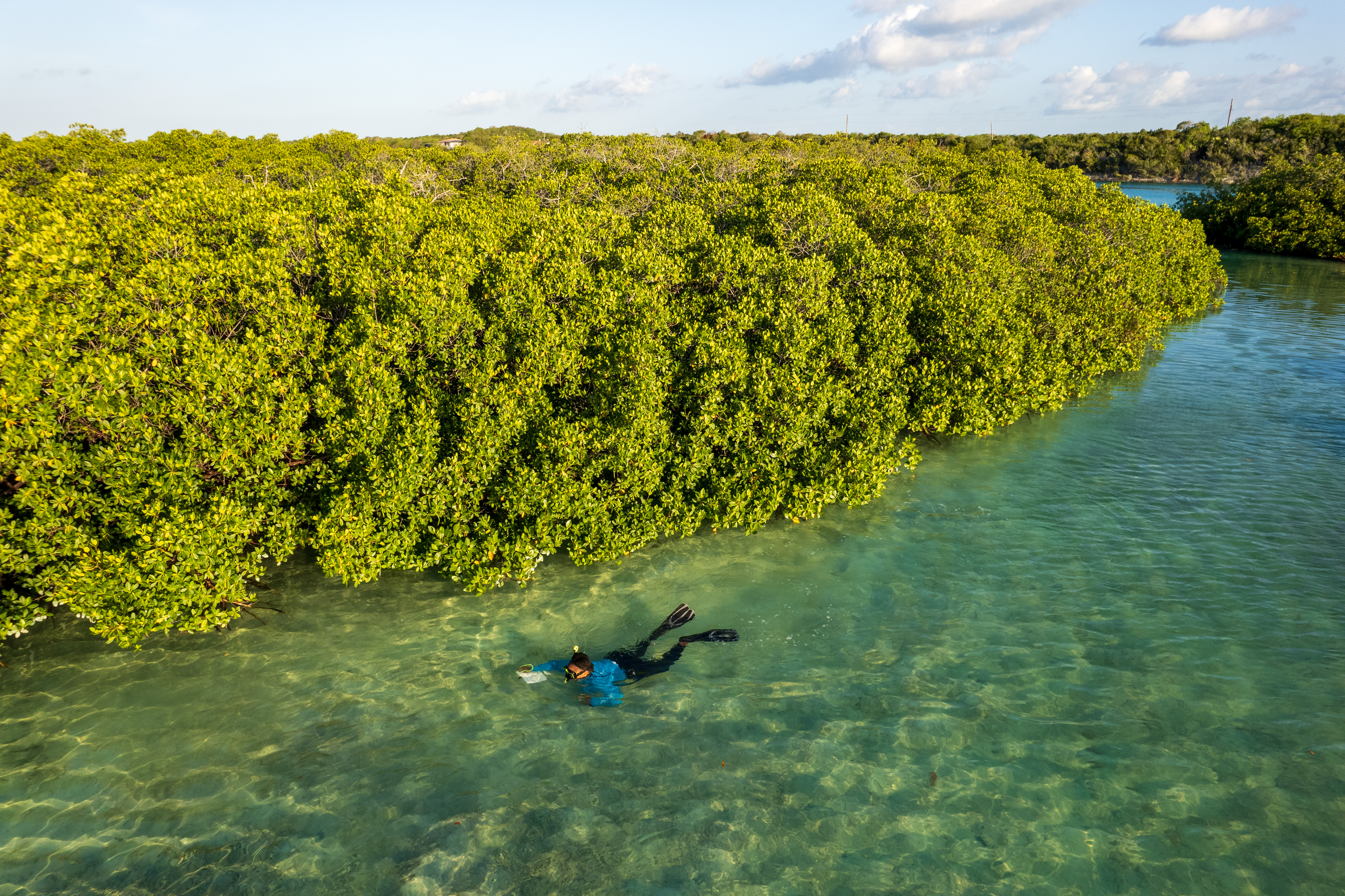
From freshwater and marine natural ecosystems – including mangroves, river estuaries, swamps and marshes – to human-made sites such as fishponds, rice paddies, reservoirs and saltpans all wetlands are vital to sustainable development and human wellbeing.
Although they cover only about six percent of the Earth’s land surface, 40 percent of all plant and animal species live or breed in wetlands.
United in action
In the Bahamas, Mexico, and Zambia, local communities know how much wetland biodiversity matters for our health, our food supply, our planet and our economy.
To find out how the Global Environment Facility’s (GEF) Small Grants Programme (SGP), implemented by the United Nations Development Programme (UNDP), is working with partners to support efforts in these countries, read the full story.