



Stretching across 397 square kilometres in Eastern Nepal, the Lower Tamor landscape is a living mosaic of rivers, forests, and cultures. From the tropical Terai to the misty Himalayan foothills, its dramatic elevation gradient nurtures twelve forest types, Nepal’s largest rhododendron gene pool, and wildlife corridors that connect lowlands to mountains. The landscape is also home to rare wildlife like the red panda, the clouded leopard and Asiatic golden cat.
The region is also home to major religious sites- Baraha Ksetra, Pathibhara Tehrathum, and Chintang Devi- where thousands of devotees pay homage each year, adding spiritual significance to its ecological richness. Indigenous communities like the Rai, Limbu, Majhi, have also lived in this landscape for generations, safeguarding these sacred ecosystems through traditional practices.
But this ecological and cultural treasure is under strain. Human-wildlife conflict now causes up to 50 percent crop losses, springs are drying, rainfall is erratic, and youth out-migration threatens traditional knowledge and local conservation capacity.
Through the COMDEKS Phase 4 Programme, a global initiative that supports locally-led restoration and resilience building, communities in Tamor are tackling these challenges head on.
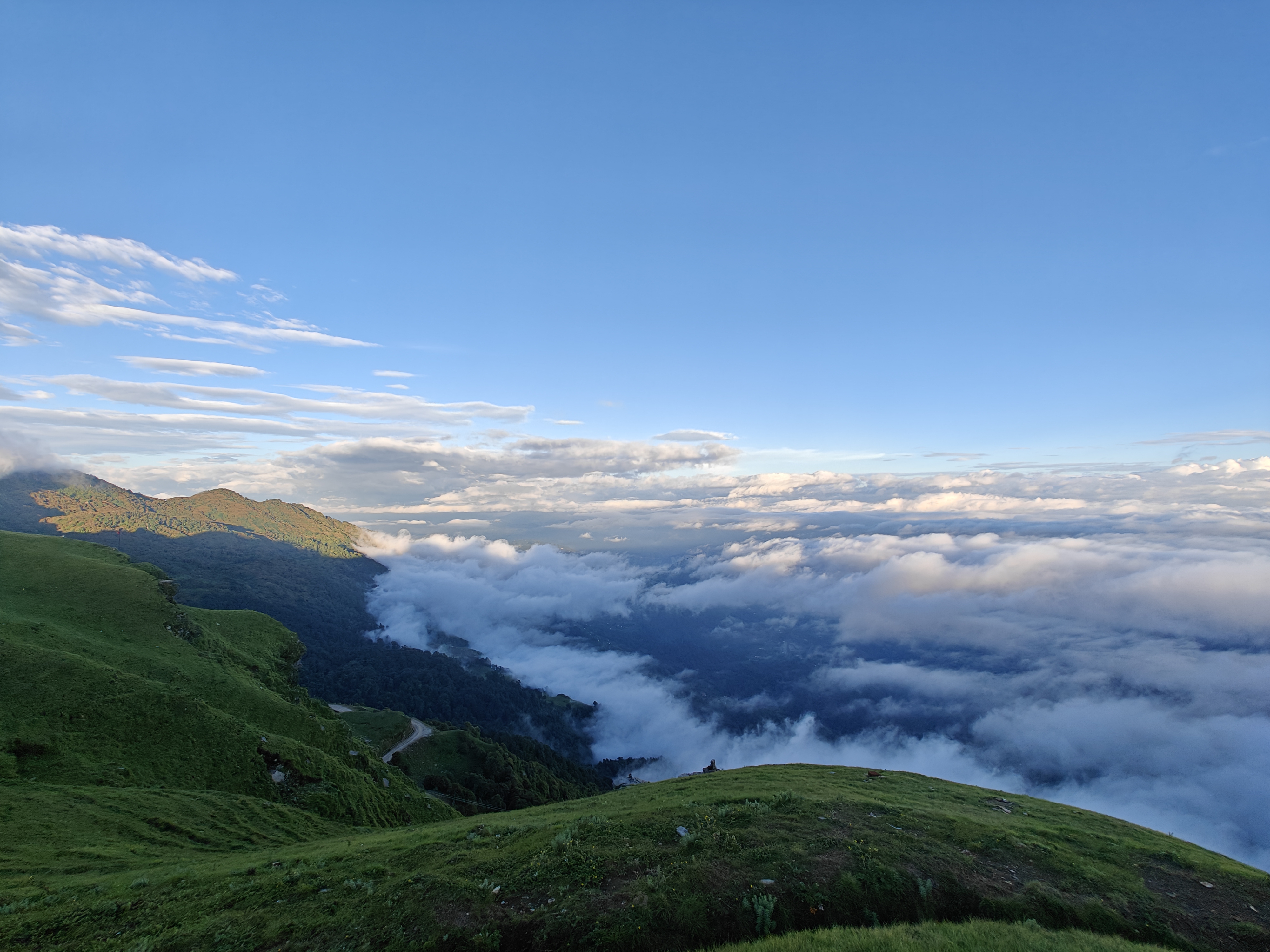 Comdeks Lower Tamor landscape
Crafting a Community-Led Strategy
Developing the Lower Tamor COMDEKS Landscape Strategy was a truly collaborative and tech-enabled process. Sarbodaya Development Campaign Nepal led the effort through a series of multi-stakeholder workshops and consultations in 2025, despite challenges posed by the severe monsoon season. To ensure inclusivity and precision, the team combined cutting-edge digital tools with local knowledge.
A GIS-based Multi-Criteria Analysis guided the demarcation of the landscape, factoring in elevation, biodiversity hotspots, and socio-economic indicators to identify areas with the highest conservation and community engagement potential. Baseline data collection leveraged the KOBO Open Data Kit for real-time, mobile-based surveys. Over 300 participants assessed the Lower Tamor landscape using the Resilience Indicator Toolkit, which was carefully translated into Nepali and adapted to the local context. Field facilitators received training on the toolkit and methodology to ensure clarity and cultural relevance, making the process participatory and empowering. This integration of geospatial analysis and digital data collection not only improved accuracy but also strengthened community ownership of the Landscape Strategy, laying the foundation for interventions that reflect science, tradition and local voices.
Phase 4 in Motion
Aligned with the Kunming-Montreal Global Biodiversity Framework and Nepal’s National Biodiversity Strategy and Action Plan, the COMDEKS Phase 4 strategy champions integrated approaches to locally-led conservation and landscape governance. It moves beyond isolated projects, weaving together ecosystem restoration, sustainable livelihoods, and inclusive governance into one cohesive vision that empowers communities to steward their landscapes for generations to come. In November 2025, seven community-led projects totalling US$270,304 were approved, set to drive transformation in the Lower Tamor landscape.
The Multi-Dimensional Development Centre Nepal, Forum for Rural Women Ardency Development, and PARDEP Nepal are leading on eco-friendly agriculture. Their work includes Jeewatu-based organic farming, Moringa and fruit tree plantations on sloping terraces, and watershed conservation combined with traditional cotton weaving. These efforts aim to stabilize fragile hillsides, improve water security, and create income opportunities for women and marginalized groups.
The National Indigenous Women Forum and Human Rights Social Awareness and Development Centre are safeguarding Indigenous knowledge and practices. They are documenting traditional ecological wisdom, introducing renewable energy technologies, and reviving drying springs using eco-technologies, all while strengthening cultural heritage and community resilience.
The National Disaster Management Network of Nepal and Federation of Community Forest Users Nepal are tackling climate risks and biodiversity loss. Their projects focus on terrace farming, green infrastructure, and rhododendron forest restoration paired with eco-tourism development, linking conservation with sustainable income generation.
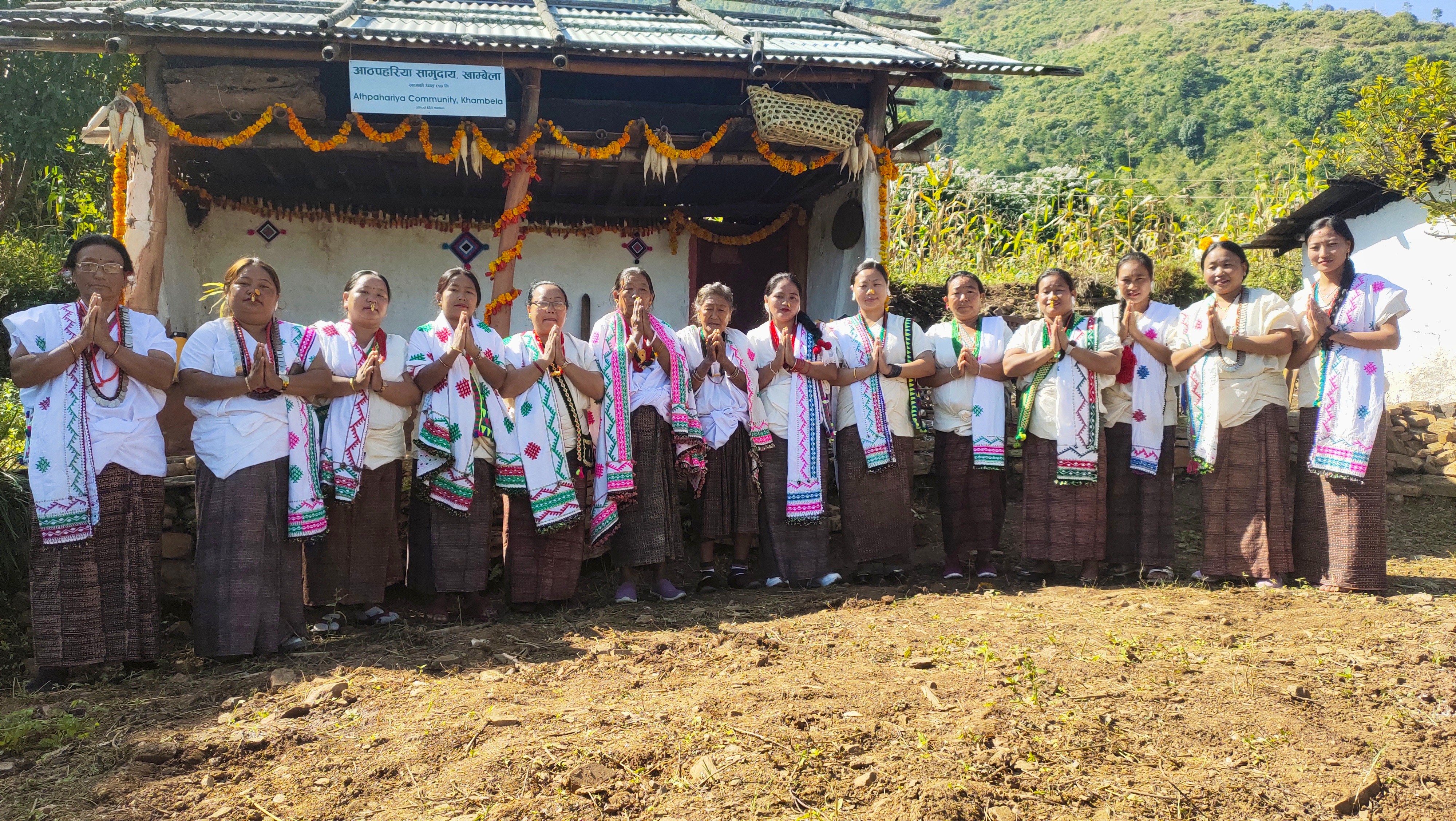 Indigenous Aathpahria Rai women in their local attire from lower Tamor Landscape.
Looking Ahead
Lower Tamor is more than a biodiversity hotspot, it’s a testbed for nature-based solutions and community empowerment. These projects show how blending traditional wisdom with modern practices can fight climate change, reduce poverty, and restore the careful balance between people and planet.
"This COMDEKS strategy is a blueprint for resilience designed by people of Lower Tamor. Every decision, every project reflects their voices, their traditions, and their hopes for a future where livelihoods and biodiversity thrive side by side." Vivek Dhar Sharma, SGP National Coordinator Nepal.
About COMDEKS
Launched in 2011 as a flagship programme of the Satoyama Initiative, COMDEKS is a global effort to promote the sustainable use of natural resources in landscapes and seascapes with local communities whose livelihoods and cultural heritage depend on them. It provides small-scale finance through the GEF Small Grants Programme (GEF SGP) directly to local communities and civil society to implement projects that improve livelihoods and well-being, conserve biodiversity, address climate change, build resilience and support local cultures and traditional practices. Launched in 2022, COMDEKS Phase 4 is funded by the Ministry of the Environment Japan and the Keidanren Nature Conservation Fund and is implemented by the GEF SGP.