




Cradled by the turquoise waters of the Aegean Sea, Türkiye’s Bodrum Peninsula is known for its unique blend of natural beauty and cultural heritage. From secluded coves backed by sun-drenched hills dotted with olive groves, to the remains of the Mausoleum at Halicarnassus, one of the Seven Wonders of the Ancient World, the interlinkages between past and present, history and opportunity, are manifold.
“In the 1950s and 60s, Bodrum was a bohemian paradise,” recalls Mert Gökalp, a marine biologist, writer and filmmaker. “Sailing and sponge diving once defined this place, where the first Blue Voyage tourists arrived – writers, illustrators, artists, etc”.
The concept of Blue Voyage – or Mavi Yolculuk in Turkish – refers to a traditional sailing journey along Türkiye’s southwestern coast. It is the dream sold to those who venture into this region known as the Turkish Riviera, says the President of the Bodrum City Council, Arif Yilmaz: “We have thousands of years of history, nature and a sparkling sea, all together. If we lose these features, we lose the Blue Voyage.”
Another chapter in the voyage
Since the 1980s, Bodrum has gradually transformed into a major tourist destination. As its population grew, coastal areas began to deteriorate, especially with the construction of facilities like quays, breakwaters, fishing shelters, beach platforms and boutique hotels. “As a result, the natural coastline started to disappear and the rich marine life that once thrived along Bodrum’s shores began to decline,” explains Mert. “At the same time, people complained about the seagrass that washed up on shore and tangled around their feet. There is an obsession with creating artificial shores with the white coral sand seen in the Maldives, which doesn’t occur naturally here.”
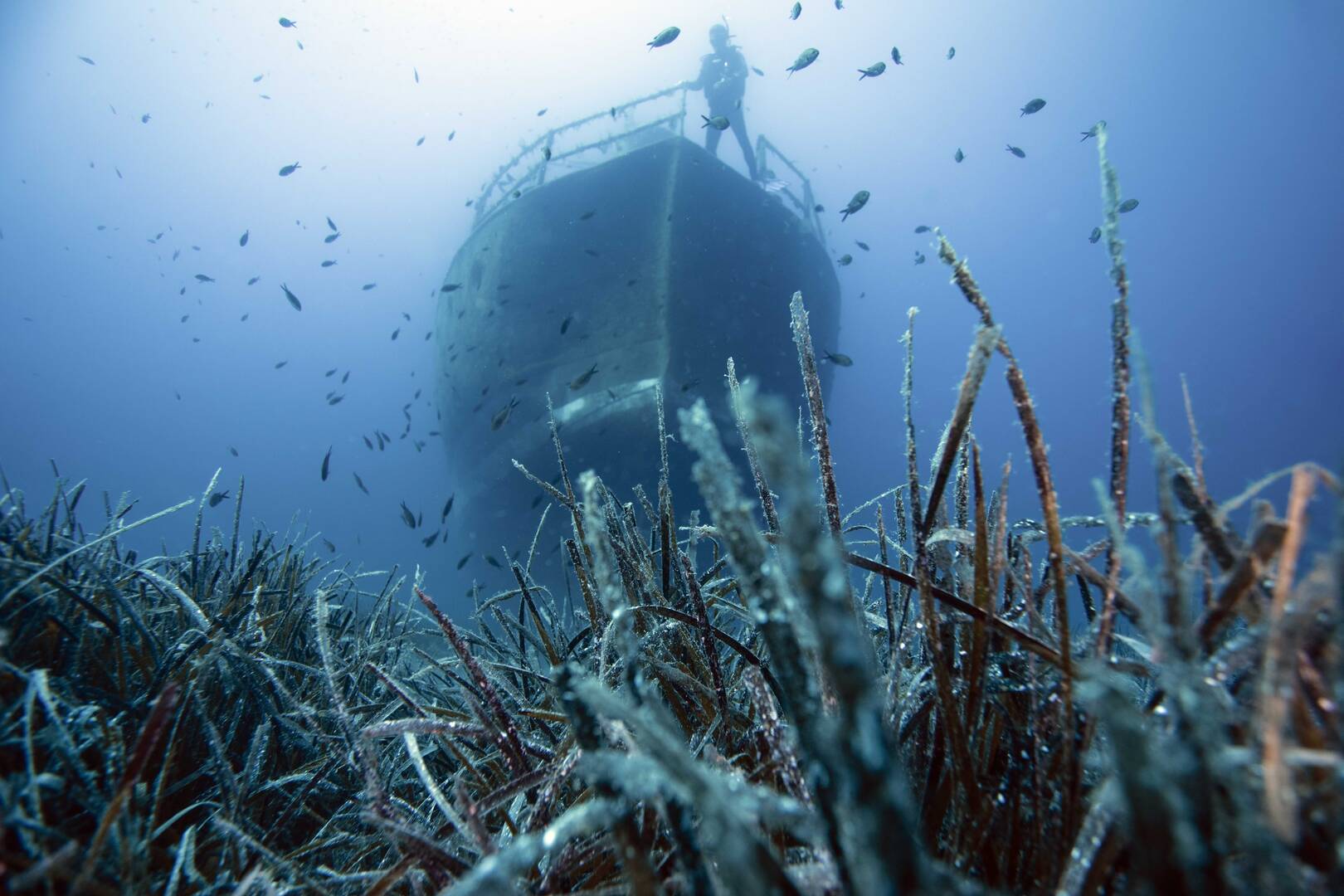
Little did these people know that seagrasses (particularly Posidonia oceanica, an endemic species of the Mediterranean Sea) are essential to keeping the waters of Bodrum’s picturesque bays and postcard-perfect beaches crystal clear: they actively clean seawater, improving its quality and clarity. But most importantly, seagrasses like Posidonia oceanica play a crucial role in addressing climate change: they are powerful carbon sinks, absorbing CO₂ up to 35 times faster than tropical rainforests by storing the greenhouse gas within their roots and leaves. “People didn’t understand the importance of Bodrum’s seagrass meadows, so they started removing them and this vital ecosystem began to collapse,” laments Mert.
Project Posidonia
The year 2023 marked a turning point for Posidonia: under Mert’s leadership and with support from the Global Environment Facility (GEF) Small Grants Programme (SGP) – implemented by the United Nations Development Programme (UNDP) – the local civil society organization Underwater Research Society (SAD) launched Project Posidonia. The initiative aimed not only to protect Bodrum’s seagrass meadows, but also to foster a culture of stewardship for marine ecosystems, ensuring that future generations inherit healthy seas and resilient coastal landscapes.