


Antigua and Barbuda is a twin-island nation in the Eastern Caribbean known for its beautiful beaches, coral reefs, mangroves, and seagrass meadows. These ecosystems are culturally significant, provide critical ecosystems services, and support economic activities such as tourism and fishing, yet they face mounting threats from climate change, pollution, and unsustainable development.
In response, the Global Environment Facility Small Grants Programme (GEF SGP) implemented by the United Nations Development Programme (UNDP) in partnership with the UNDP/GEF/UNOPS PROCARIBE+ Project are taking bold steps to protect marine biodiversity, empower local communities, and advance climate goals.
PROCARIBE+ is a regional project that fosters collaboration among civil society, government agencies, and international organizations to advance sustainable development in Caribbean coastal and marine environments. On the 17 July 2025, the GEF SGP together with national partners celebrated the launch of three dynamic SGP PROCARIBE+ initiatives that demonstrate how local action can restore ecosystems, and shape national marine resource management.
“Investing in local marine conservation isn’t just about protecting ecosystems- it’s about empowering communities to lead lasting change. Through PROCARIBE+, we’re seeing how targeted support can unlock innovation, restore marine biodiversity, and build resilience in Antigua and Barbuda.” Sonia Gautreau, Senior Project Officer, PROCARIBE+ project
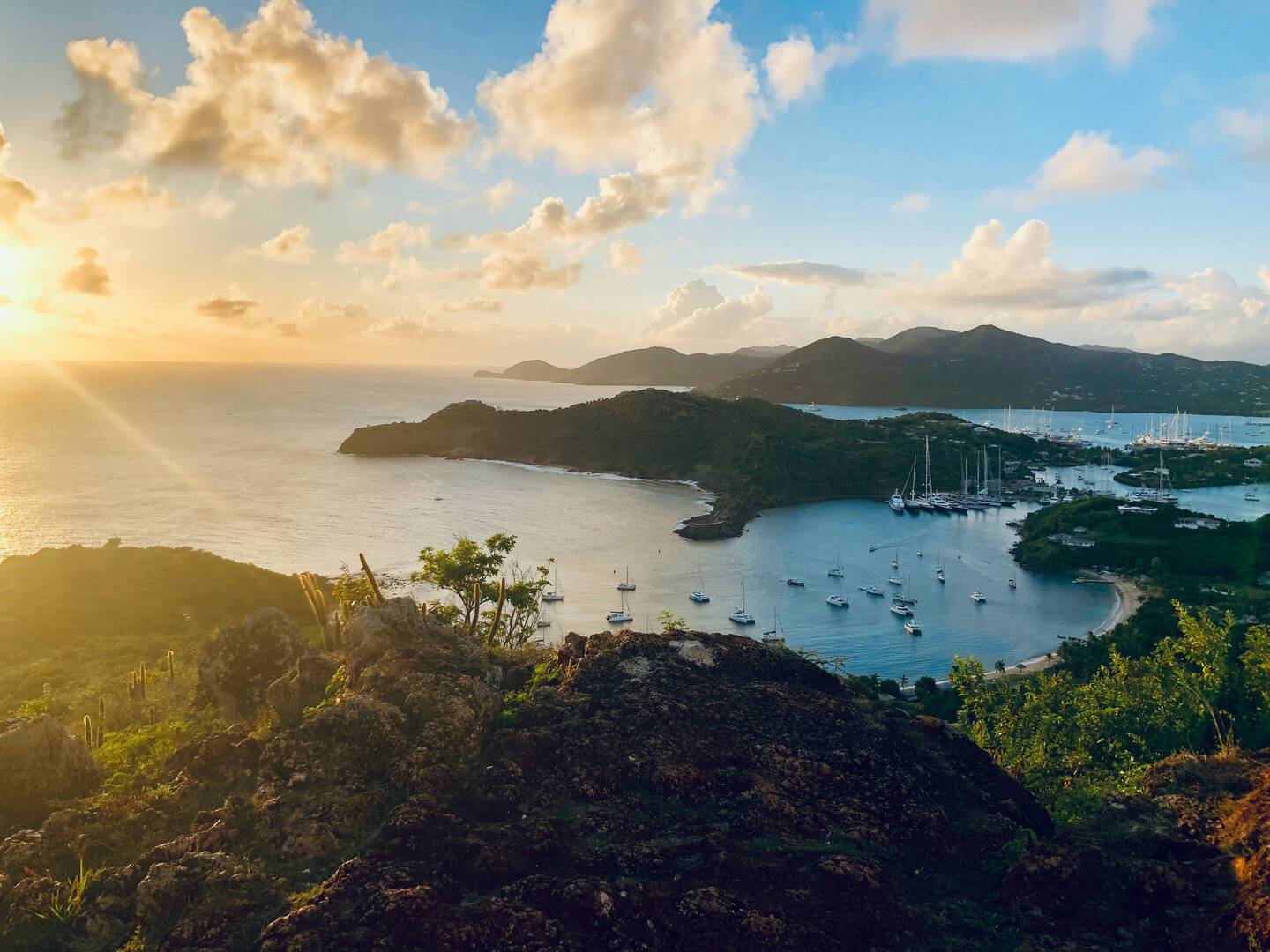 Photo credit: Rick Jaimson
Community-Led Dive Cleanups: Restoring Reefs and Building Stewardship
The Antigua & Barbuda Ocean Trust (ABOT) Dive Clean Up Project targets underwater reef sites across the nation including those within National Parks. The project trains youth as PADI-certified eco-divers to monitor reef health and support coral restoration efforts. In collaboration with dive shops and boat owners, over 40 underwater cleanups are planned to remove plastics, fishing lines, nets, and other debris that threaten marine life. The project will also engage local fishers to test sustainable fishing line alternatives, aiming to reduce entanglement risks for sea turtles and other marine species. By involving youth and volunteers, the project builds local capacity and instills a sense of stewardship over marine resources.
Seagrass and Blue Carbon: Science Meets Policy
Nestled within the UNESCO World Heritage site of Nelson’s Dockyard National Park- renowned for its rich history and architectural charm- the NGO Fauna & Flora’s initiative is turning the spotlight on the park’s vital marine ecosystems. The project centers on assessing and safeguarding seagrass meadows, which serve as essential habitats for marine biodiversity and play a powerful role in carbon sequestration.
The project will train marine consultants and community members to collect biological and spatial data, including sediment cores to analyze carbon storage potential. The findings will be synthesized into a management report aligned with Antigua and Barbuda’s Blue Economy Policy and climate adaptation strategies. This project bridges key data gaps while advancing blue carbon policy, embedding science into national frameworks to boost climate resilience and marine governance.
Empowering Barbuda’s Fishers and Youth: Citizen Science for Sustainable Seas
On Barbuda, barbudanGO’s project is transforming fishers and youth into marine stewards through targeted training, education, and outreach. Decades of overfishing have degraded coral reefs and fish stocks, but this initiative offers a pathway to recovery through citizen science and community engagement.
Fifteen fishers will receive PADI and Search and Rescue certification, enabling them to participate in marine assessments and conservation activities. The project’s innovative use of public events such as the Ocean Festival, education campaigns such as “Pip the Parrotfish”, and eco-tourism, ensures broad community participation. By linking conservation to livelihoods and cultural identity, the initiative supports long-term behavioral change and economic diversification.
Charting a Blue Future
Together, these projects demonstrate how community action can drive national marine conservation efforts. They contribute to key Sustainable Development Goals, including Life Below Water (SDG 14), Climate Action (SDG 13), and Gender Equality (SDG 5), while aligning with national policies like the Environmental Protection and Management Act and the Fisheries Act.
“PROCARIBE+ seeks to achieve sustainability in the ocean space of the Wider Caribbean through improved coordination and collaboration. Success is only possible if we adopt a whole of society approach in which local communities and non-state actors can contribute to conservation action.” Dr. Tricia Lovell, Antigua and Barbuda’s PROCARIBE+ focal point and Deputy Chief Fisheries Officer
As Antigua and Barbuda navigates the challenges of climate change and marine degradation, these community-led projects offer a blueprint for inclusive, science-based, and locally driven solutions. Through the PROCARIBE+ project, the country is not only protecting its marine heritage but also empowering its people to lead the way.