



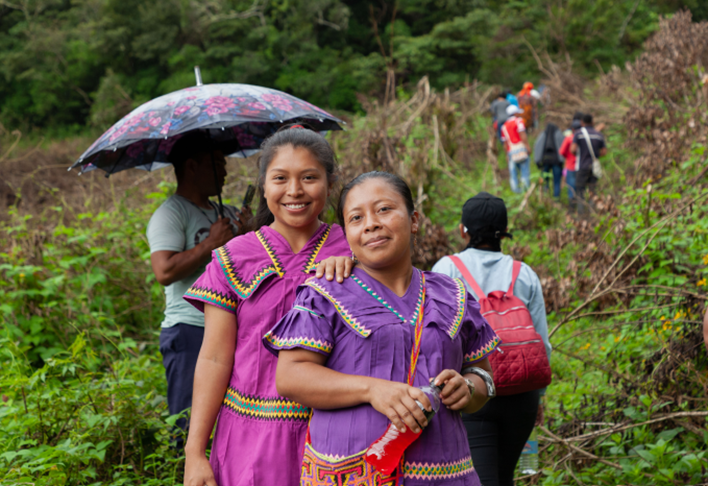
The 5th Regional International Climate Initiative (IKI) Workshop in Central America and Caribbean was held in San José, Costa Rica from 28-31 May 2025 to promote knowledge exchange between implementing organizations and partners of IKI-funded projects in the region. The multi-day workshop included networking events, technical discussions, presentations by leaders in the field, as well as guided field trips from community leaders to showcase the progress of the latest innovations.
The event opened with remarks from Mr. Mauricio Sánchez, advisor to the Vice Ministry of Strategic Issues of Costa Rica’s Ministry of Environment and Energy, and Ms. Alexandra Herr, Minister Counsellor for the German Embassy in Costa Rica. Presentations on behalf of the IKI ministries discussed the 2024 Annual Report, which revealed that over 306,000 people have directly benefited from IKI-supported training and networking initiatives.
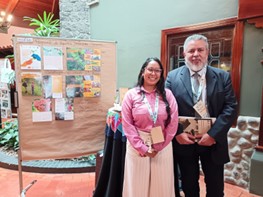 One of the highlights from the first day’s events was the IKI Marketplace, which was a showcase for different projects in the region. As part of the Global Support Initiative to ICCAs COVID-19 Response, Ms. Viviana Rodriguez from UNDP-GEF Small Grants Programme Panama presented "The Response to COVID-19 in Panama’s Indigenous Territories"publication. Launched in January 2024, the publication focuses on the implementation of eight different projects, led by Indigenous organizations throughout Panama, to address consequences of the COVID-19 pandemic with an intercultural perspective based on traditional medicine and food sovereignty. Successful recovery measures and coping mechanisms, rooted in ancestral knowledge, were self-determined by the priorities of Indigenous Peoples and their local communities.
Other notable exhibits included the Ecosystem-Based Adaptation (EbA) project in Guatemala, a coral restoration project in Costa Rice, and the Resilient Caribbean Communities project in Cuba and Haiti. The market was followed by the “Ideas 360° session”, with the intention to provide a space for exploring synergies and share new approaches with other projects.
The second day focused on technical discussions on relevant issues for the region. These included:
- NDCs 3.0: Strengthening Pathways to Climate Ambition in Central America and the Caribbean - organized by ACCIÓN Clima (GIZ). Representatives from Costa Rica, El Salvador, and St. Lucia shared strategies for updating their Nationally Determined Contributions (NDCs) to progress climate ambition in the region.
- Environmental Tax Expenditure: Channelling Public Finances towards Climate Transition and a Green Economy - organized by: Green Economy Transformation (GIZ). The discussion panel explored methods of financing sustainable climate transitions, using Costa Rice as a case study.
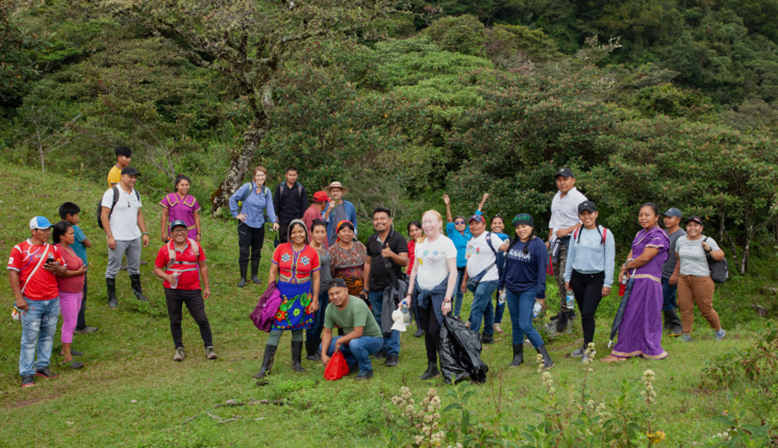
The workshop ended with organized field trips to the Puntarenas Estuary and the Los Santos region. The trip to the Puntarenas, organized by GIZ and Conservation International, consisted of a tour through the wetlands and conversations with representatives from El Establo and Pitahaya, and the National System of Conservation Areas, or SINAC for short in Spanish. Over lunch, participants experienced first-hand the Eco Gourmet model “From the Hook to the Plate”, which aims to promote sustainable fishing practices. This initiative, led by the Transforma-Innova program, was a community-led effort that successfully reopened natural water channels and enabled local mangrove ecosystems to be restored.
The second trip was led by ACCIÓN Clima (GIZ) and consisted of visits to two innovate production projects within the three cantons of the Los Santos region, namely the Organic Composting Pilot project, in cooperation with coffee cooperative CoopeTarrazú, and the start-up Smatter, which creates biomaterials from the production of various fungi.
At the end of the workshop, participants reaffirmed the importance of building a broader awareness of the diversity and impact of IKI-funded projects, as well as regional cooperation in tackling climate challenges. They agreed that continued dialogue, knowledge sharing, and joint action will be essential to building a resilient, low-carbon future for the region.