|
|
 |
| GEF Small Grants Programme Newsletter June 2025 |
|
Our Stories
|
|
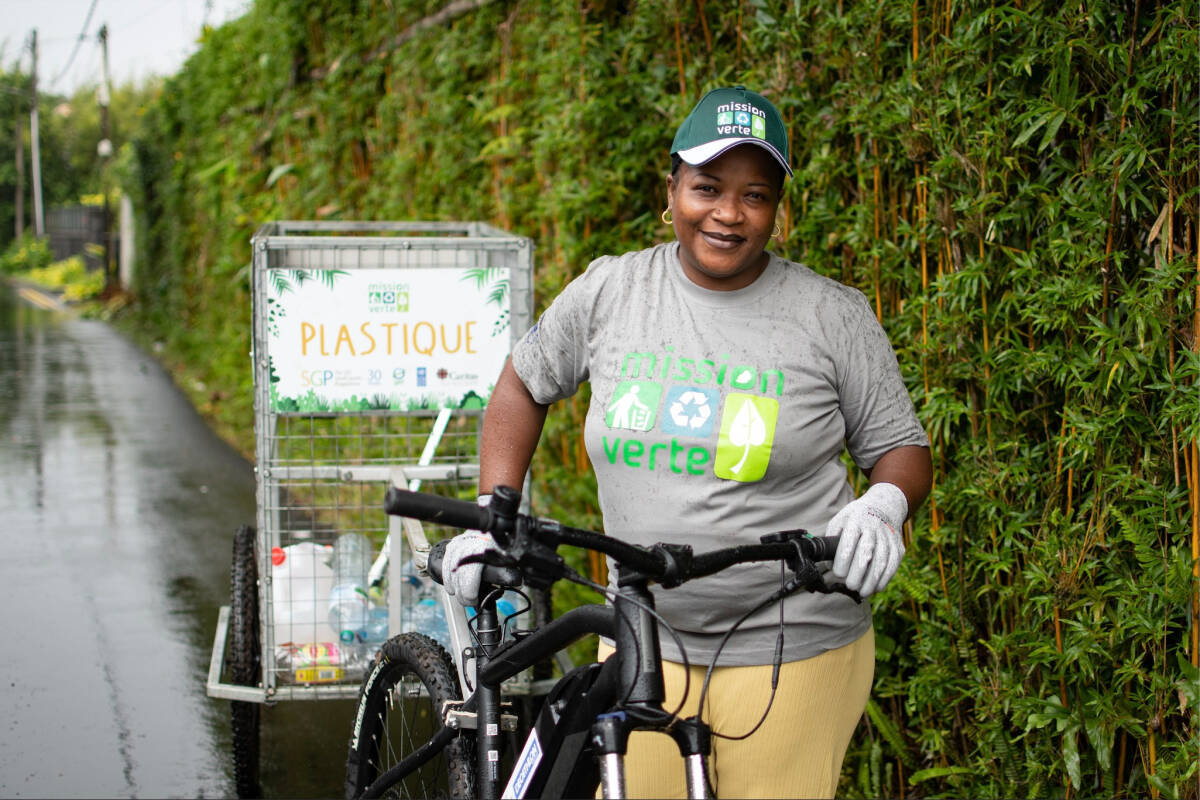
Action for the Ocean: How Local Communities in Mauritius are Tackling Plastic Waste and Protecting Marine Life
As a kid, Christina Perrine used to go through plastic waste to find discarded bottles that she could reuse to make decorative plastic flowers. Her precocious environmental awareness foretold a story about local action and community resilience in the face of a triple planetary crisis: climate change, biodiversity loss, and pollution - the latter particularly from plastics.
Read More »
|
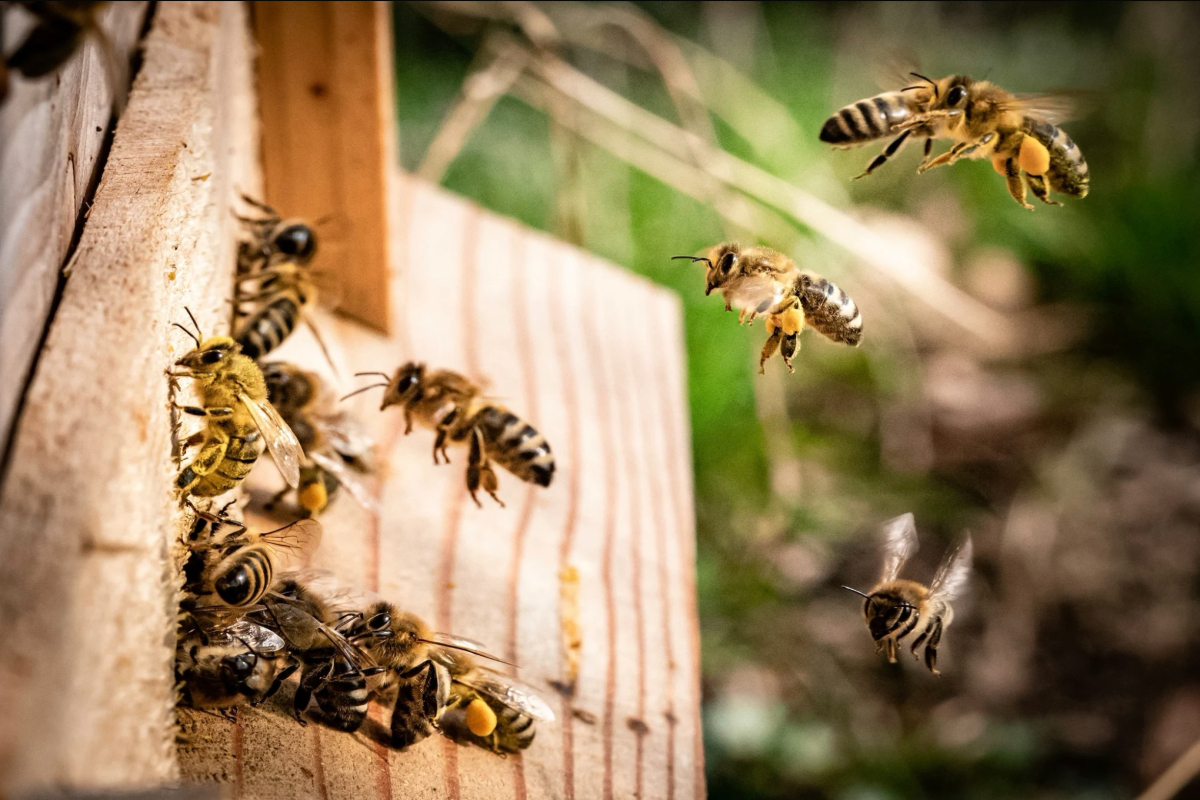
Tiny but Mighty: How Bees Are Making a Comeback and Helping Local Communities Thrive in Samoa
Bees and other pollinators are vital for the health and well-being of both people and the planet. In Samoa, the buzz has been growing thanks to a locally-led initiative called 'Bee Educated!', which is empowering local communities, particularly women, and fostering a sustainable relationship with nature with support from SGP.
Read More »
|
|
|
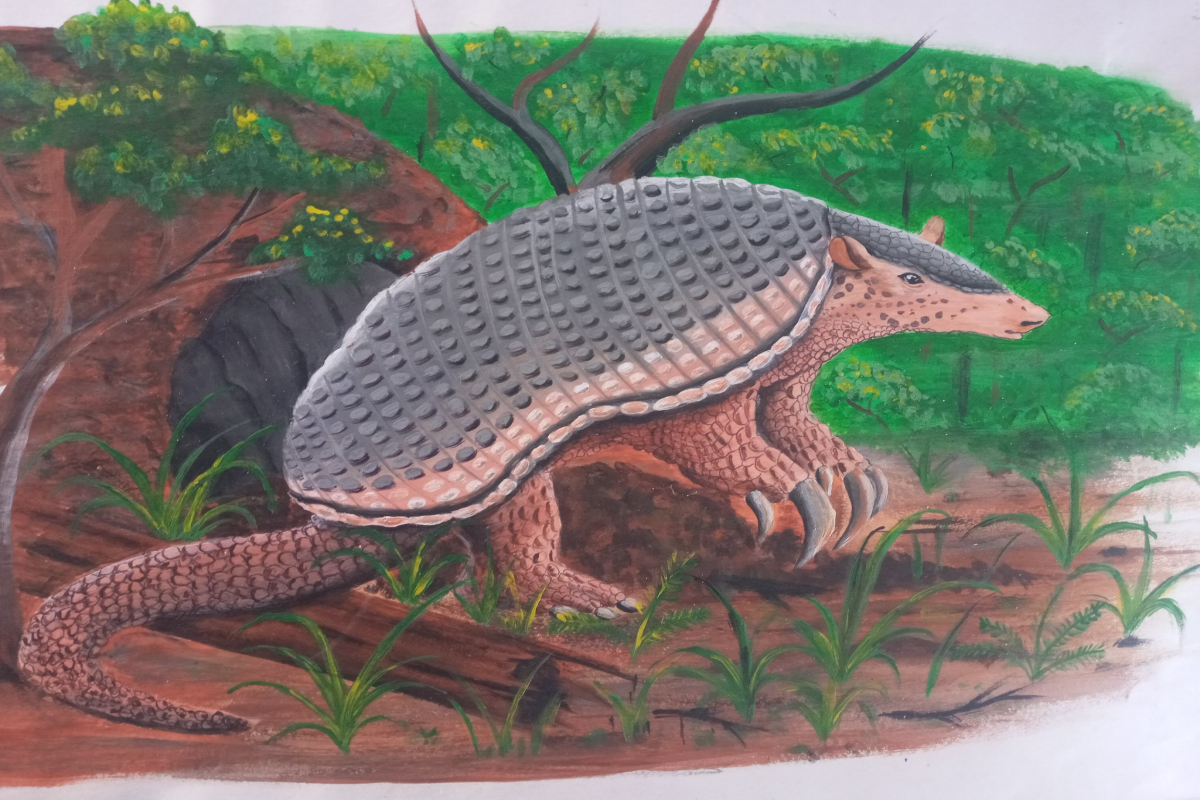
The Rider of the Giant Armadillo: Traditional Knowledge Meets Conservation Science to Protect Guyana’s Iconic Wildlife
Angelbert Johnny was born in Wapichan territory in a village called Sawariwau, one of the oldest in Guyana’s South Rupununi region, near the northern border of the Brazilian Amazon. This area is a unique mosaic of interlinked wetland, forest and savannah ecosystems, which serve as a critical connection between the Guyana Shield and the Amazon Basin, two of the world’s most biodiverse, carbon-rich and intact forests. It is home not only to the Wapichan, but also to other Indigenous Peoples like the Makushi and the Wai Wai, all of whom are highly dependent on these ecosystems.
Read More »
|
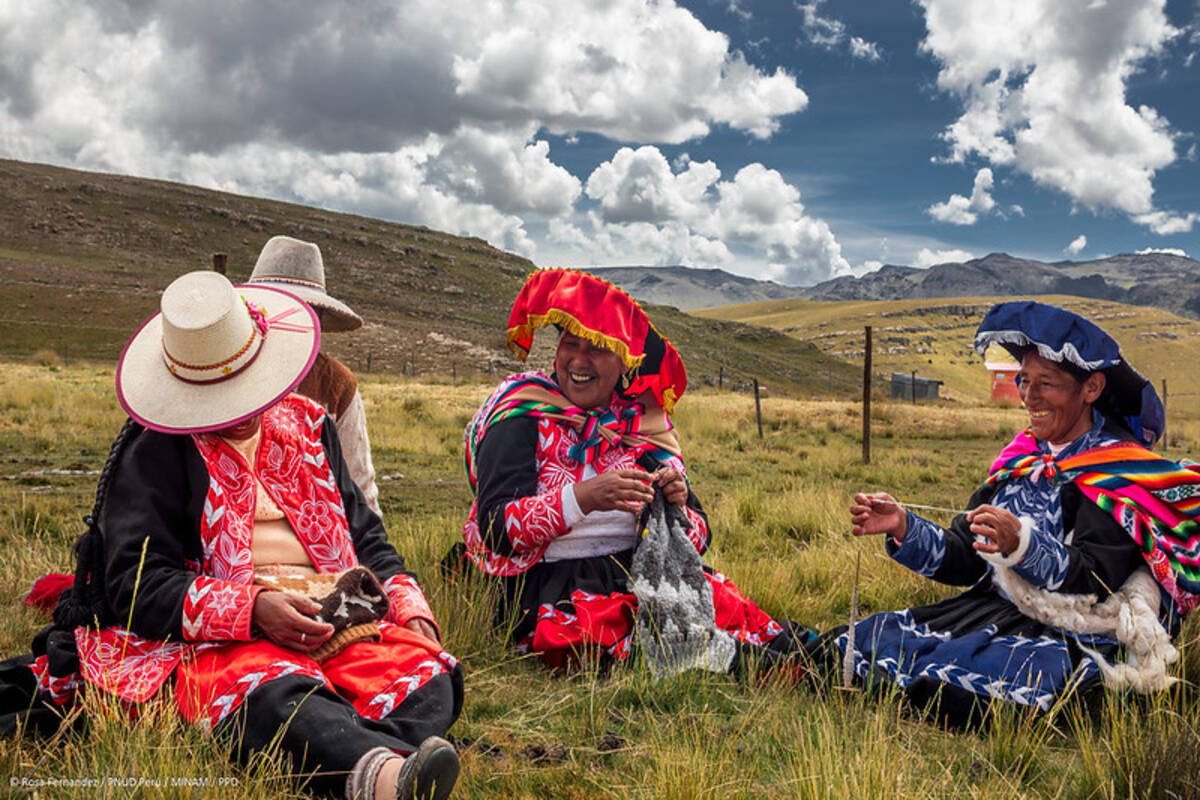
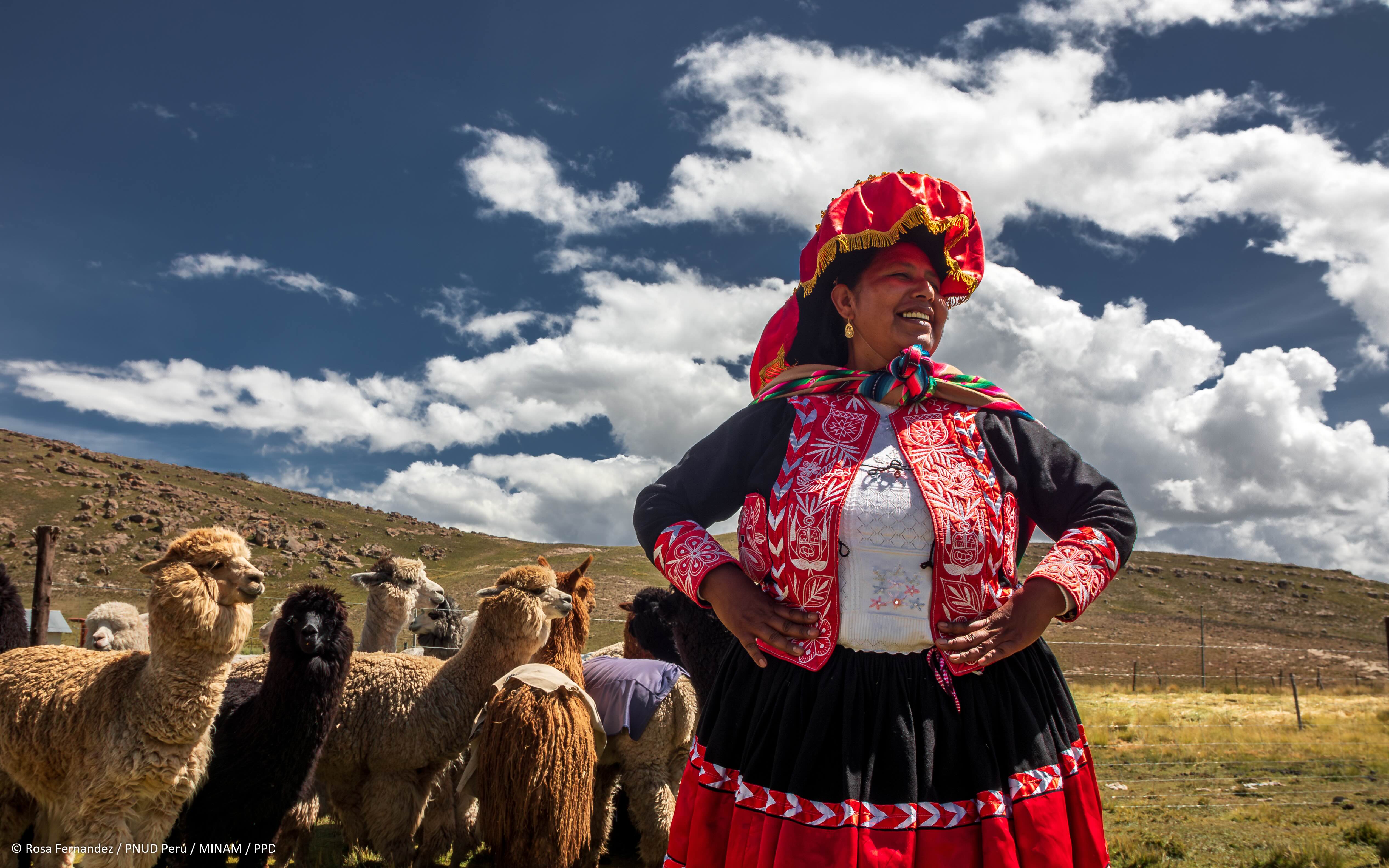
Weaving the Future of Women’s Empowerment: Female Alpaca Breeders in Peru Promote a Sustainable Value Chain that Restores Grasslands and Water
At 4,000 metres above sea level and surrounded by mountains and vast meadows, the women of the Sumac Vicuñitas Artisans Association of Umpuco-Palca, are promoting a sustainable value chain in the Peruvian department of Puno. Today, this allows them to transform alpaca fibres into competitive products replete with added value, opening the way for Quechua women to have better opportunities from the sustainable use of agrobiodiversity.
Read More »
|
|
|
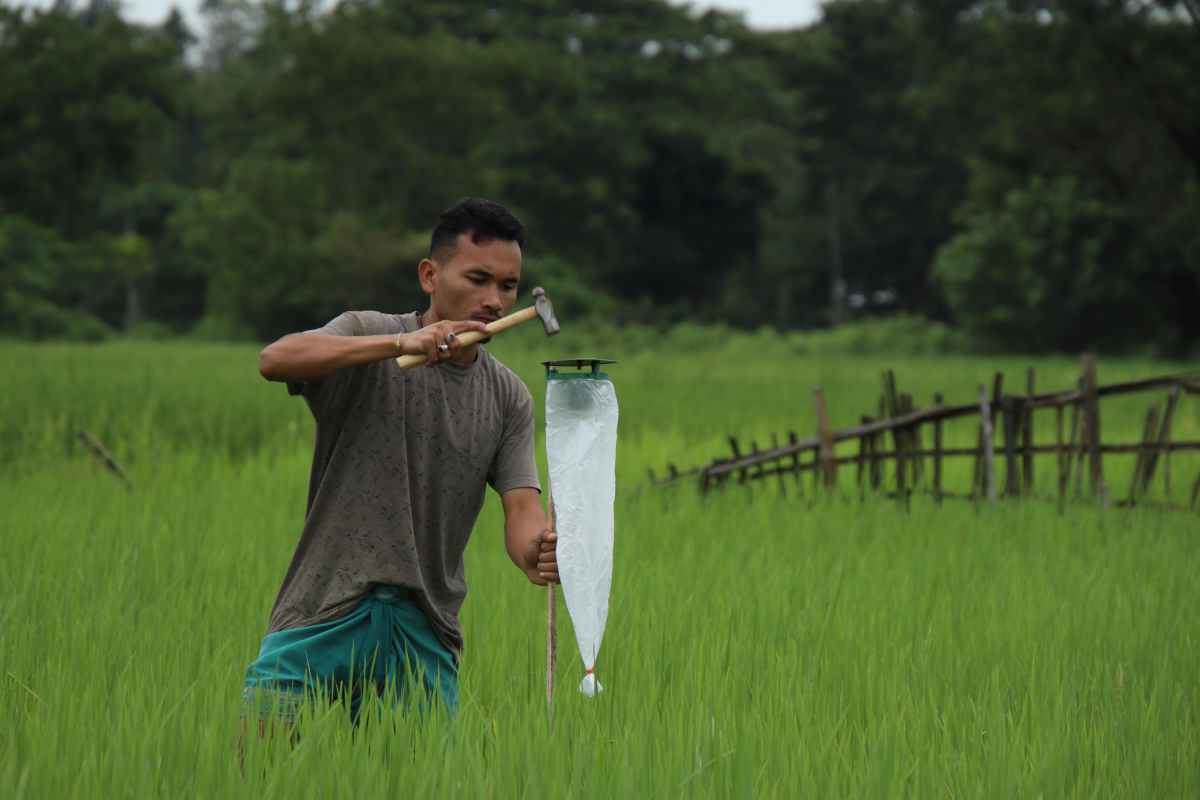
A Bio-Cultural Treasure: Revitalizing Traditional Knowledge and Promoting Ecosystem-Based Solutions in Northeast India
The Northeast India region – spanning the states of Arunachal Pradesh, Assam, Manipur, Meghalaya, Mizoram, Nagaland, Tripura and Sikkim – is a renowned biodiversity hotspot. It also boasts a rich bio-cultural diversity, being the home to around 220 ethnic communities whose culture and traditions reflect their harmonious relationship with nature. Over the last decade, this region has experienced unprecedented extreme weather events, threatening local livelihoods.
Read More »
|

Strengthening Ocean Conservation and Sustainable Development in Saint Kitts & Nevis
A dual-island nation located between the Atlantic Ocean and the Caribbean Sea, Saint Kitts and Nevis boasts a representative cross-section of Caribbean marine life, including endangered corals, marine mammals and sea turtles. Commercial and artisanal fisheries form a significant part of the local economy, but have declined sharply in recent years, with fishers reporting smaller catches of conch, lobster, and fishes.
Read More »
|
|
|
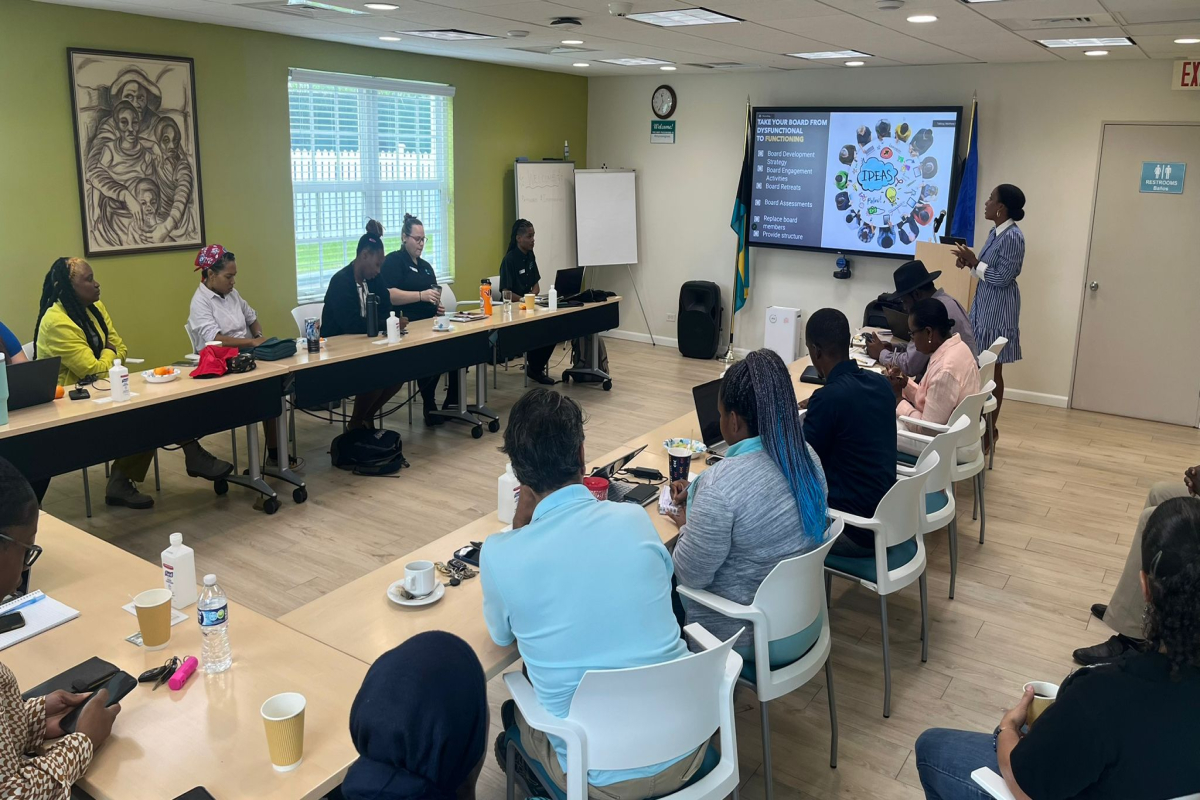
Empowering Community Organizations for Environmental Conservation in the Bahamas
In the tropical Atlantic’s largest small-island archipelago, a new partnership has successfully launched a transformative capacity-building initiative for local non-profit organizations engaged in environmental conservation. The GEF SGP, implemented by UNDP, joined forces with the Bahamas Protected Areas Fund in late 2023 to launch a project entitled “Capacity Building Training for Local NPOs in Environmental Conservation”.
Read More »
|
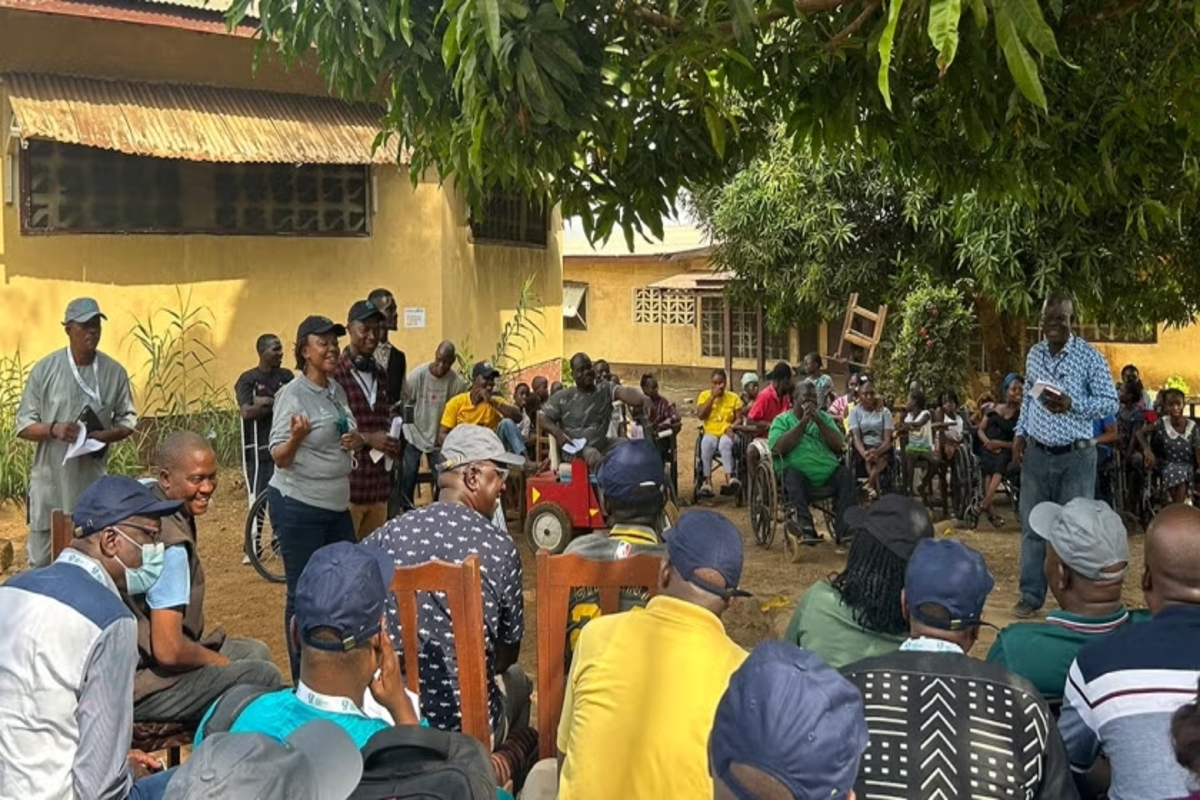
In Liberia, Renewable Energy is Empowering People with Disabilities
Over 1 billion people live with disabilities, many at high risk from natural disasters and environmental crises due to issues around mobility, sight, hearing, and communications access. When their needs are considered in environmental policymaking and planning, their access to vital resources and infrastructure services can be much improved, opening the door to significant contributions to environmental conservation and community development.
Read More »
|
|
|
Events and Media
|
|
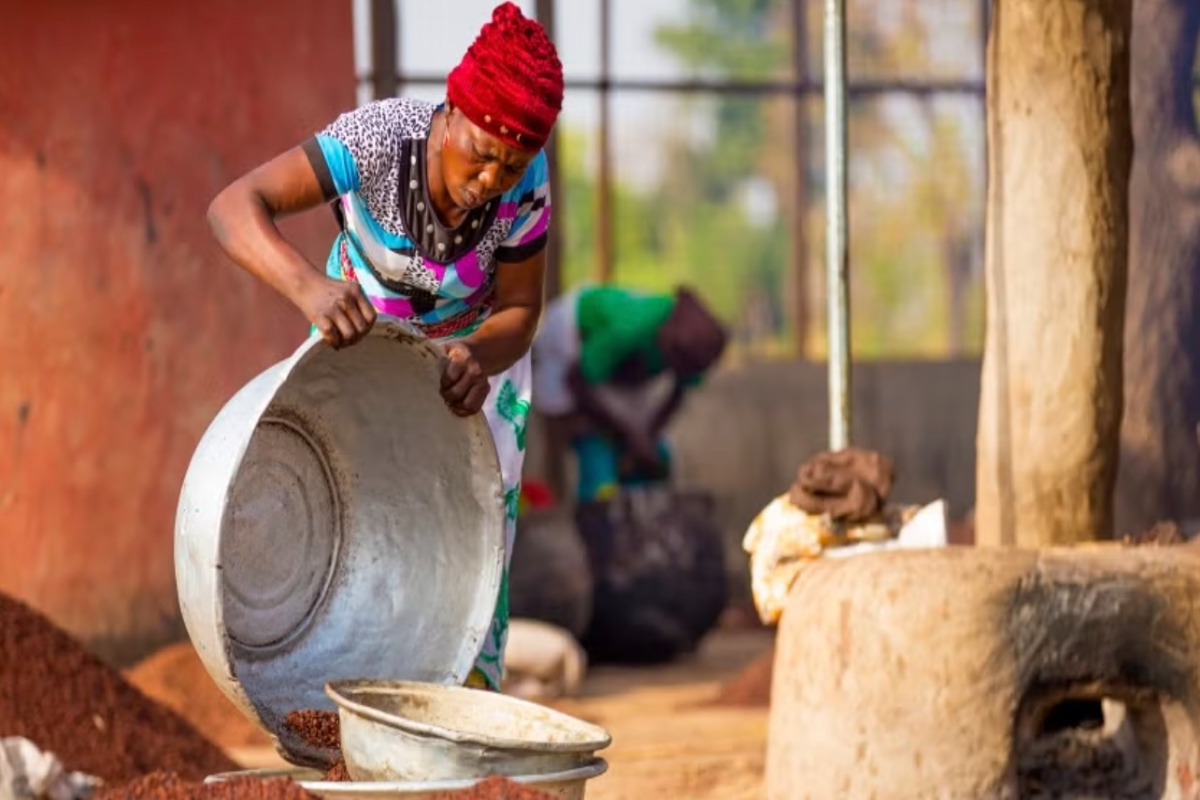
GEF Small Grants Programme Operational Phase 8
The GEF SGP is a flagship initiative that over the past three decades has enabled civil society organizations to access funding and technical assistance for community action related to the environment and sustainable livelihoods. It specifically supports Indigenous Peoples and local communities, women-led initiatives, youth engagement and leadership, and persons with disabilities. Following decades of leadership by the UNDP as anchor agency, it has been expanded following a GEF Council decision two years ago to two additional implementing entities, Conservation International and the UN Food and Agriculture Organization, alongside UNDP supporting locally-led initiatives in developing countries.
Read More »
|
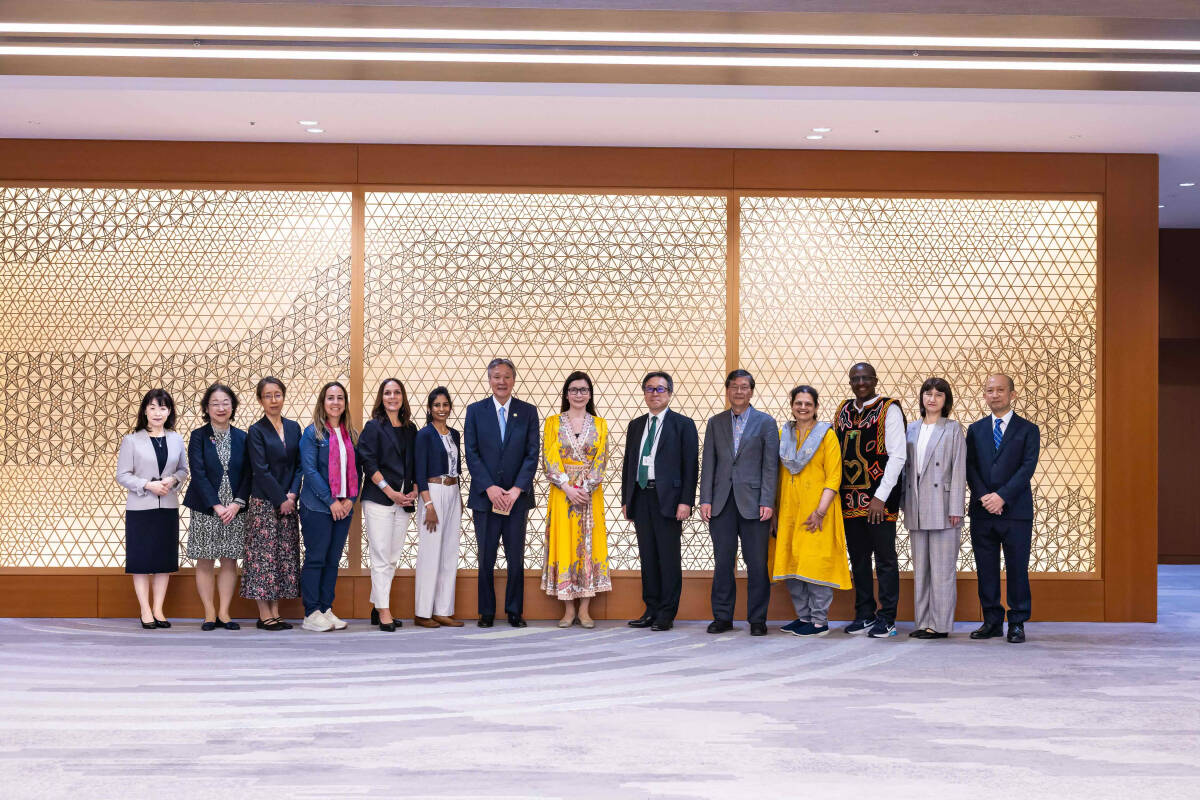
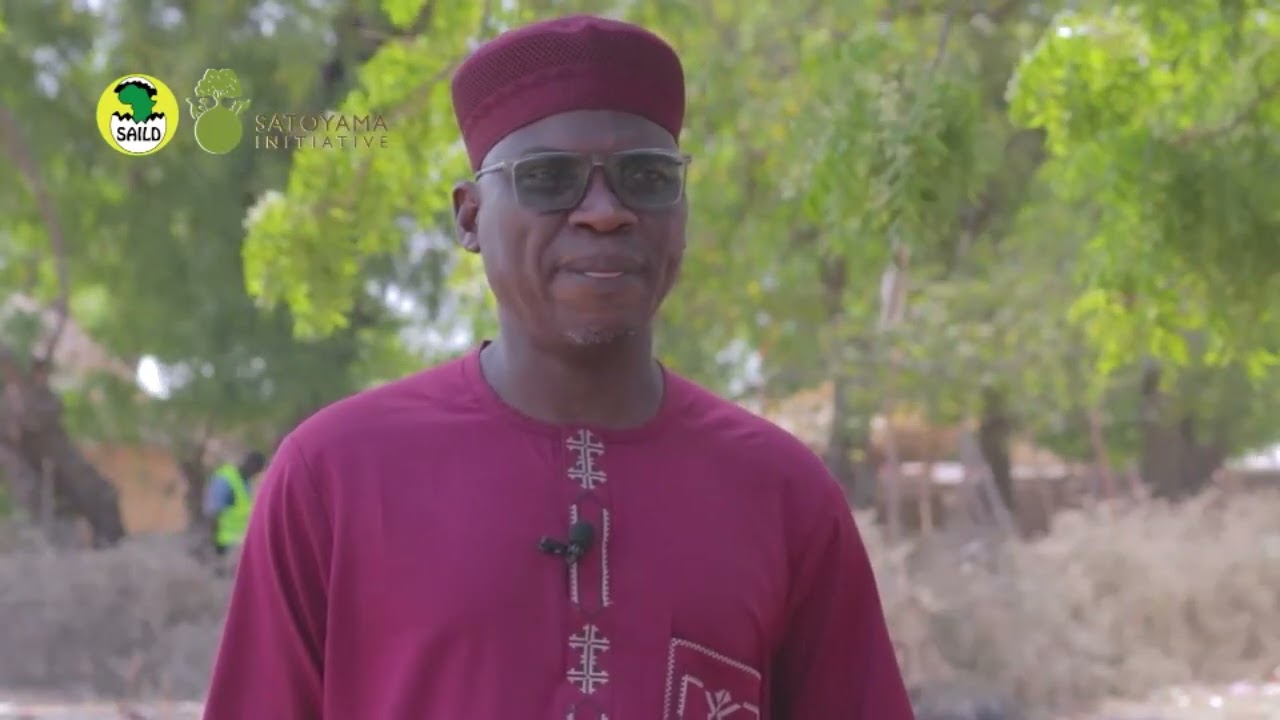
Societies in Harmony with Nature: Locally-Led Landscape Approaches
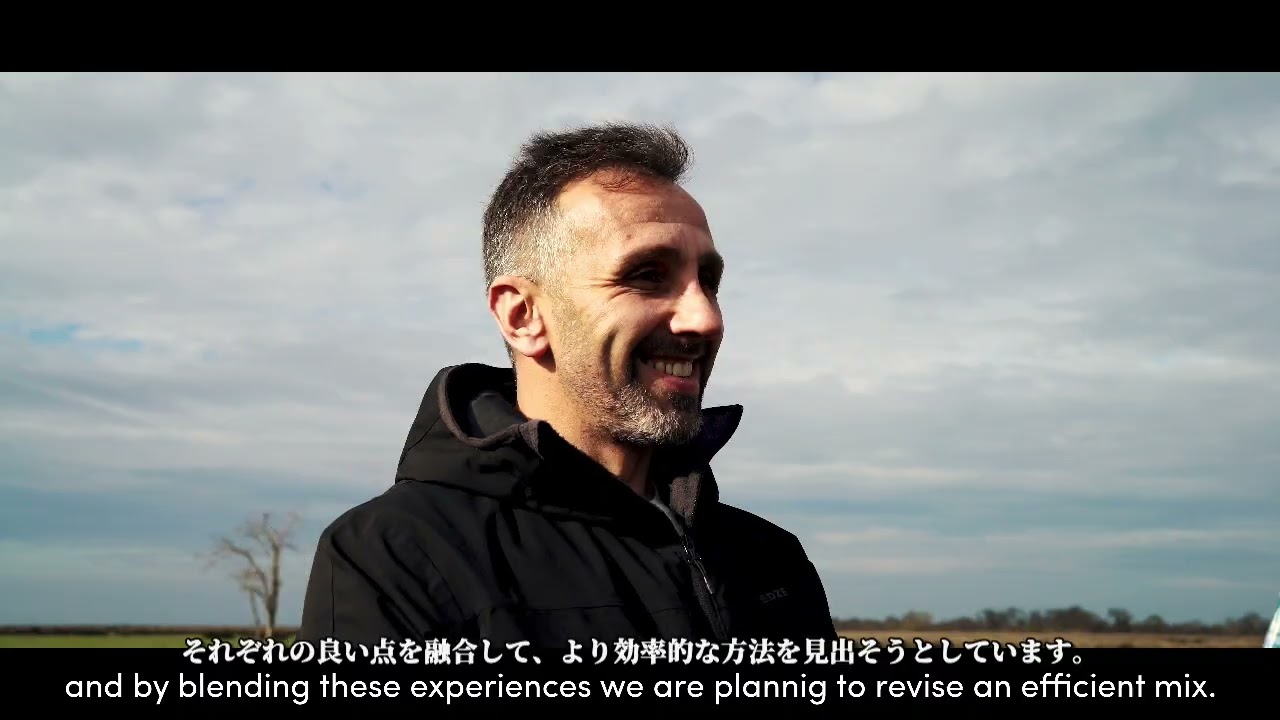
The Keidanren Nature Conservation Council, the Ministry of Environment of Japan and UNDP jointly hosted a hybrid seminar entitled “Societies in Harmony with Nature: locally-led landscape approaches” in Tokyo in April 2025. The objective of the seminar was to provide updates on implementation of Phase 4 of the Community Development and Knowledge Management for the Satoyama Initiative Programme (COMDEKS). Japanese private sector companies and members of the Keidanren Nature Conservation Fund who have been making financial contributions to the COMDEKS programme since 2023 were the key target audience.
Read More »
|
|
|
Featured Publications
|
|
 |
Solutions to Plastic Pollution with Community-Based Behavior Change
Plastic pollution is a global crisis that is threatening ecosystems, wildlife, and human health, prompting international negotiations for a coordinated treaty at a global scale. However, solving the issue requires systemic changes across production, consumption, and waste management, with individuals and communities playing a central role. This report examines current approaches, theories, and interventions for reducing plastic pollution and highlights the untapped potential of behavioral and social insights. By bridging the gap between conventional strategies and these powerful tools, it provides actionable, science-based recommendations for practitioners and policymakers.
Read More »
|
|
 |
Advancing Indigenous-Led Energy Systems: UNDP-GEF-SGP and REP Partnerships
Indigenous Peoples make up just 5% of the global population but represent a third of extremely poor rural residents, highlighting a critical need for inclusive energy access to meet Sustainable Development Goal 7 of universal energy access. Despite this, they are often excluded from energy discussions and face rights violations from renewable energy projects on their lands. A partnership between REP and the GEF SGP, implemented by UNDP, showcases efforts to improve energy access for Indigenous communities in several countries, including Cambodia, the Democratic Republic of Congo, Cameroon, Nepal, Timor Leste, El Salvador, and Honduras.
Read More »
|
|
|
Videos
|
|
|
|
|
|
|
|
|
 
|
|
| Copyright © 2017 The GEF Small Grants Programme (SGP), All rights reserved. |
|
|
| If you don't want to receive our news anymore, unsubscribe |

|